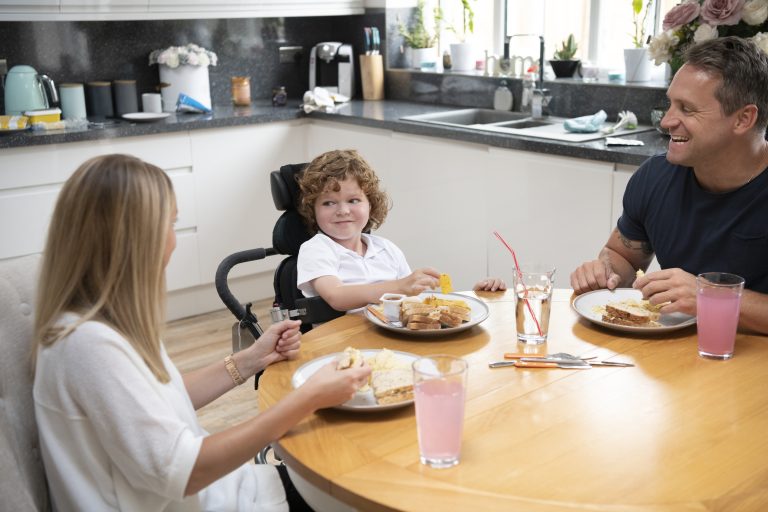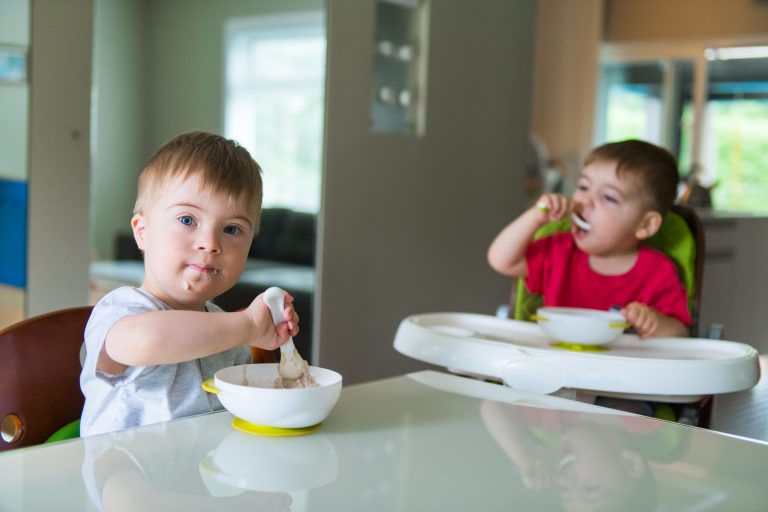

Almost every child goes through phases of refusing vegetables, wanting the same meal every day or pushing a plate away. For many families, this is a normal part of growing up. For others, mealtimes start to feel different: harder, more stressful and more worrying as time goes on.
Research suggests that feeding difficulties affect around 1 in 4 typically developing children, and up to 80% of children with SEND and neurodevelopmental differences. If you are wondering whether your child’s eating is “just a phase” or something more, you are not alone, and it is worth asking the question.
Children Learn to Eat
Children are not born knowing how to eat. Just as they learn to walk and talk, they learn to suck, chew and swallow, explore new tastes and textures, feed themselves and take part in mealtimes with other people. This is called feeding development.
Like any area of development, some children need more time, more practice or a different kind of support. A child who finds eating hard is not being naughty or difficult. They may still be learning skills that other children picked up more easily.
When Fussy Eating May Be Something More
Every child is different, but these signs suggest it may be worth looking more closely at your child’s eating:
- The list of foods your child will eat is very short, or it keeps getting shorter
- Whole food groups, textures or colours are refused
- Your child gags, coughs, chokes or is sick when eating or trying new foods
- Mealtimes regularly end in distress, for your child or for you
- Meals take a very long time, or your child eats very little
- Your child only accepts certain brands, packaging or ways of serving food
- Your child finds it hard to move on from smooth foods to lumpier textures
- Your child strongly reacts to the smell, look or feel of food, or to messy hands
- Eating gets in the way of everyday life, such as school lunches, parties, trips or eating with friends
- A health professional has raised concerns about your child’s growth or weight
One sign on its own does not mean something is wrong. A pattern of several, especially if they have lasted for a while, is a good reason to seek support.
What Can Sit Behind Feeding Difficulties?
Feeding difficulties rarely have a single cause. Our Eating as Learning approach looks at the whole picture, including:
- Oral motor skills: how a child uses their lips, tongue and jaw to chew and swallow
- Sensory processing: how a child experiences taste, smell, texture, sound and touch
- Medical and nutritional needs: such as reflux, allergies or gut problems
- Seating, posture and positioning: whether a child feels stable and supported at the table
- Language and communication: how a child shares what they like, need or feel
- Social and emotional factors: how safe and relaxed a child feels around food
- Self-help skills and family routines: what a child can do for themselves, and how mealtimes are set up at home
Professionals may use terms such as Paediatric Feeding Disorder (PFD) or Avoidant/Restrictive Food Intake Disorder (ARFID). These are diagnoses that a qualified healthcare professional can assess. Whatever the label, the focus should be on understanding your child and supporting them to build skills and confidence.
Small Steps You Can Try at Home
- Take the pressure off. Pressure to eat, even gentle encouragement, can make anxious children eat less. Success is not measured by whether a child eats a particular food.
- Focus on experience, not expectation. Touching, smelling, helping to prepare or simply sitting near a new food all count as learning.
- Always include a safe food. Put at least one food your child is comfortable with on the table at every meal.
- Help your child feel settled. Feet supported, a calm space and a predictable routine can make a real difference.
- Eat together when you can. Children learn a great deal by watching the people around them.
When to Get Help
If you are worried about your child’s weight, growth, choking or how much they are drinking, speak to your GP or health visitor straight away.
For wider support, you can search our Find an Expert directory for certified Eating as Learning professionals, including speech and language therapists, occupational therapists and dietitians who specialise in children’s feeding. You can also visit our For Families page to join our free Parent Community, where you will find videos, guidance and other parents who understand.