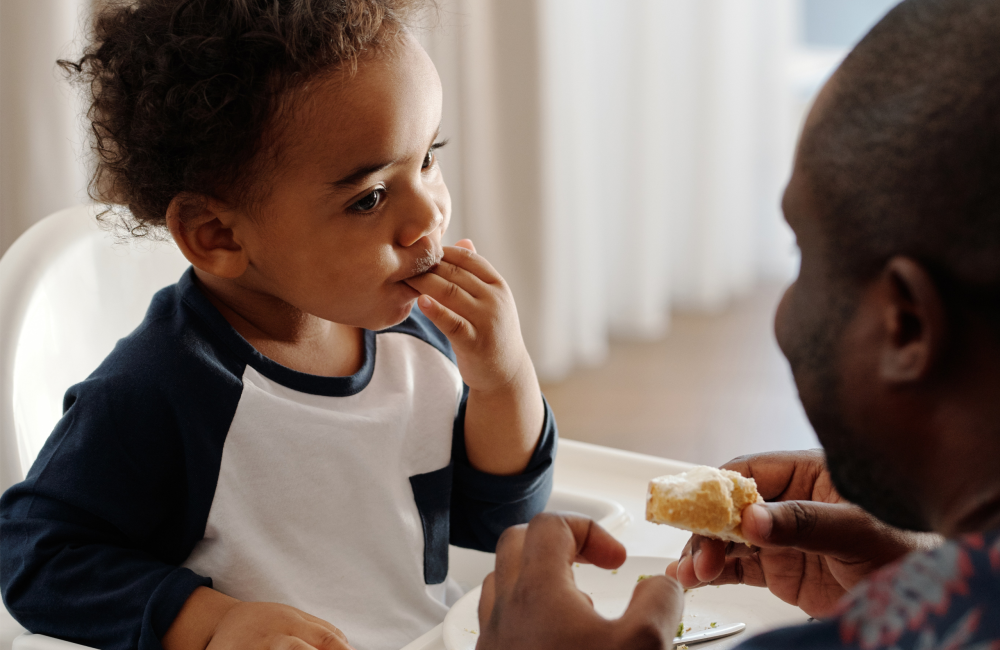
Children learn to eat just as they learn to walk and talk. Feeding development is an important part of childhood development.
Most people recognise that children learn to walk, talk and develop skills over time. Far fewer recognise that children also learn to eat.
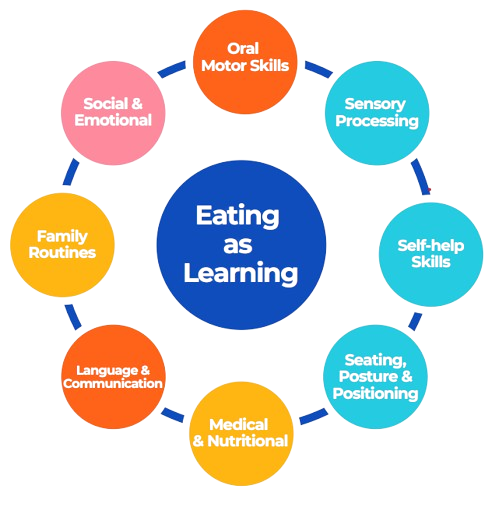
Feeding development is the process through which children acquire the skills, experiences and confidence needed to eat and drink successfully across different environments and situations. It begins before birth and continues throughout childhood as children develop new oral-motor skills, sensory experiences, communication abilities, self-help skills and social understanding. Research describes eating and drinking as a complex developmental processes that evolve alongside broader neurological, physical and emotional development.
Like all areas of development, feeding unfolds through learning, practice, participation and experience.
Feeding development is not simply about getting the nutrition in.
Children learn to:
These skills do not develop in isolation. They are influenced by a child’s health, sensory processing, motor development, communication abilities, relationships, environment and opportunities for participation. Read more here.
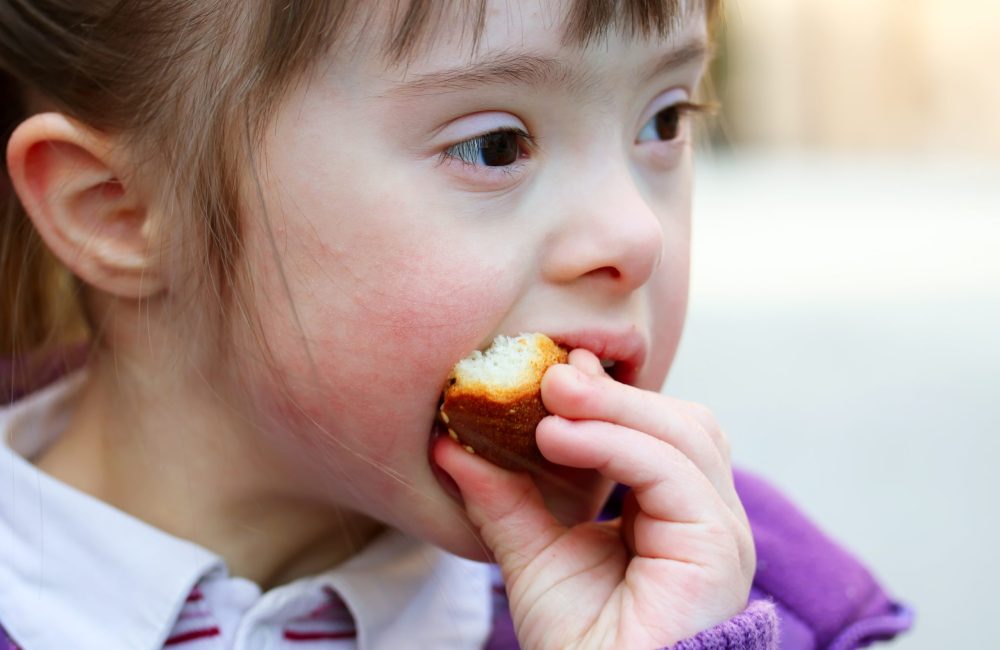
Feeding development does not stop when a child starts school. As children grow, new developmental demands emerge.
Children learn to:
For some children, particularly those with SEND, neurodevelopmental differences or medical needs, feeding development may follow a different path. We believe that all children should have the right to appropiate support, adaptations and opportunities for learning, so they can develop skills, confidence and positive expereinces with food.
Learning to eat does not always happen automatically. Children learn through watching others, handling food, helping with food preparation, participating in food-based activities, celebrating special occasions and experiencing a wide variety of eating environments. .
Research increasingly recognises eating as a developmental and participatory activity. Mealtimes provide opportunities for children to develop communication, fine and gross motor skills, sensory processing, social understanding and independence alongside their feeding skills.
Many families are told "They'll Grow Out of it" or "Just Wait and See"
Some feeding difficulties do resolve naturally as children gain experience and mature. However, evidence increasingly suggests that persistent feeding difficulties can sometimes occur alongside wider developmental differences and may form part of a broader developmental picture.
Recognising concerns early creates opportunities for observation, monitoring, support and, where appropriate, earlier intervention.
Research has identified higher rates of feeding and eating difficulties amongst children with neurodevelopmental conditions, including autism and other developmental disabilities. Studies have reported associations between feeding difficulties and differences in language, cognition, motor development and social-emotional skills. Read more here.
This does not mean that every child with feeding difficulties has a neurodevelopmental condition. However, it does mean feeding should be viewed as part of a child’s wider developmental profile rather than considered in isolation.
The American Academy of Pediatrics and CDC revised developmental milestone guidance specifically to discourage “wait and see” approaches when concerns about development are present. Instead, guidance encourages monitoring, developmental screening and timely discussion with professionals when parents or practitioners have concerns. Read more here.
For feeding development, this means recognising that concerns may warrant attention even when a child is growing appropriately or does not yet meet criteria for a specific diagnosis.
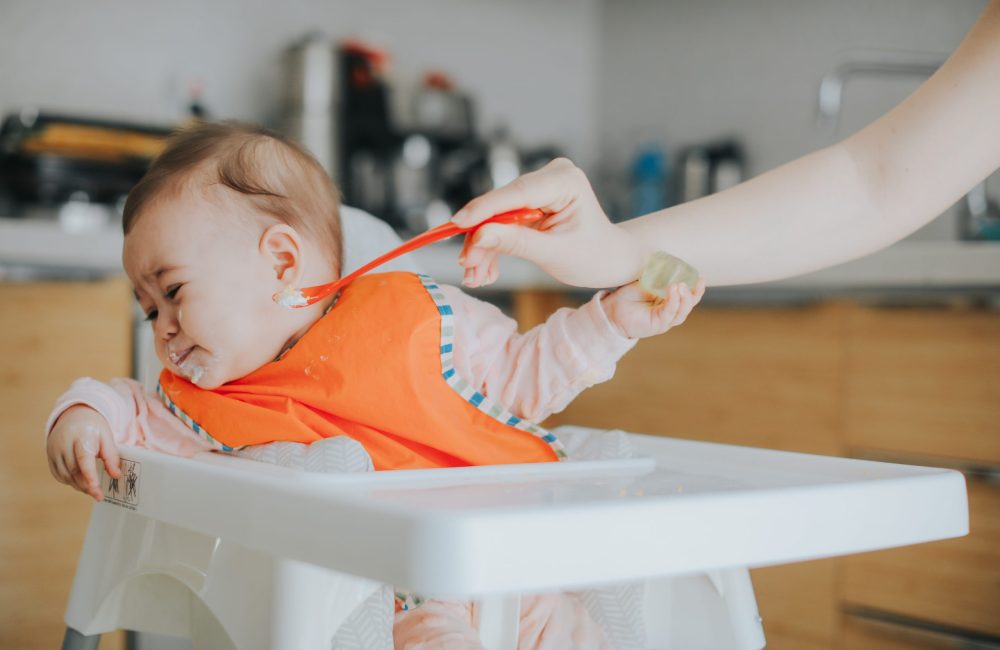
Despite the importance of feeding for health, participation, independence and wellbeing, feeding development is rarely included within routine developmental surveillance.
Children’s feeding skills are often monitored through growth, weight and nutrition measures, but far less attention is given to how children learn to eat, participate in meals and develop feeding skills over time.
The Children’s F.E.D. Foundation believes feeding development deserves greater recognition as an important part of child development and early identification.
We’re putting the finishing touches to our membership. Please check back soon.
The Foundation regularly works alongside other charities and community organisations to ensure families can access relevant support and opportunities to get involved.
Examples include:
Positive About Down Syndrome (PADS)
The Foundation worked with PADS to develop a parent webinar exploring feeding development and eating challenges experienced by some children with Down syndrome.
Autism West Midlands
Through workshops and learning events, families have been able to explore topics relating to feeding differences, participation and neurodevelopment.
Worcestershire Parent Carer Forum
Partnership work with Worcestershire Parent Carer Forum has provided opportunities to hear family perspectives, support local engagement activities and strengthen conversations around feeding development, SEND and inclusion.
Interested in becoming a partner organisation?